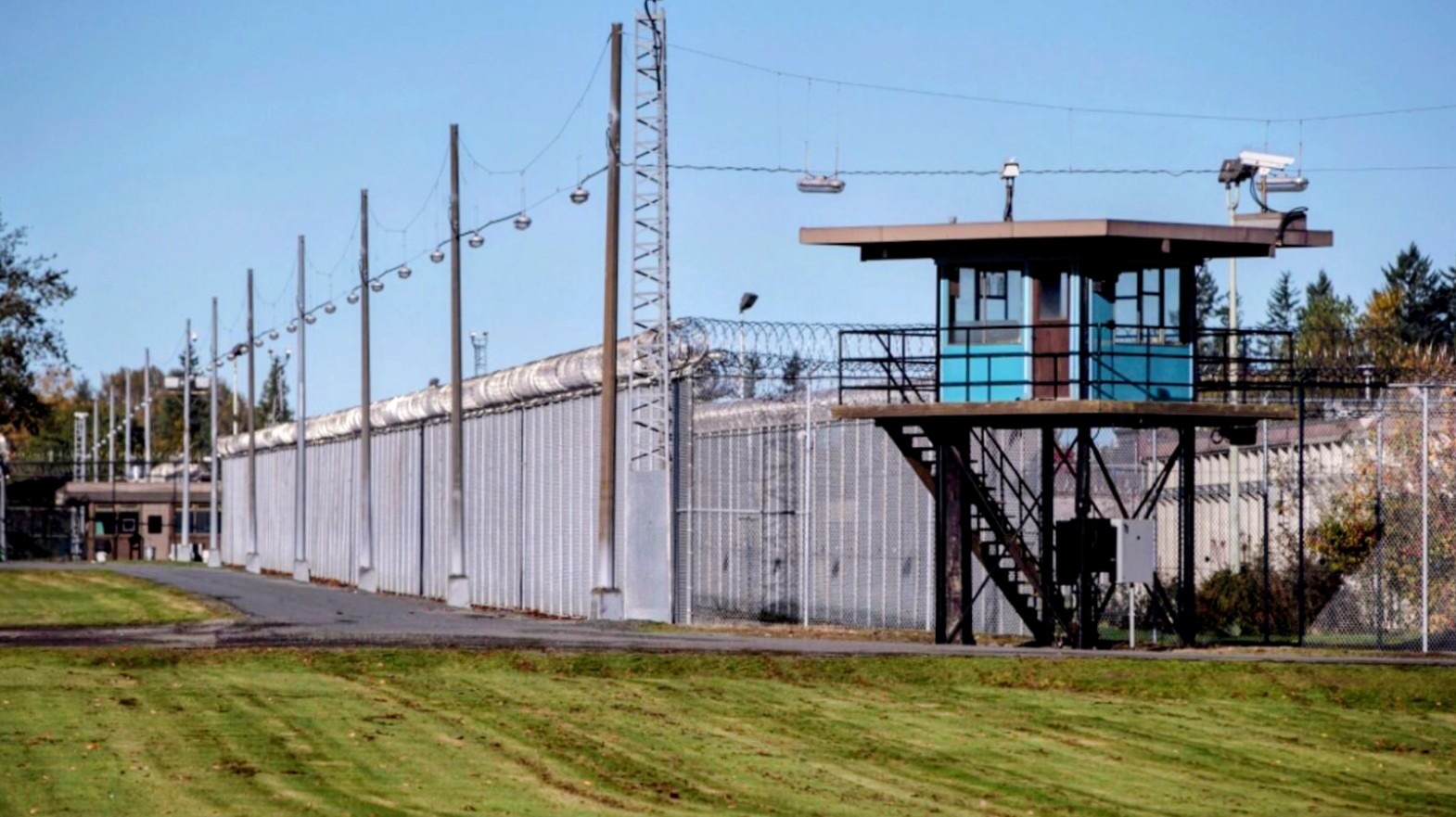
Tennessee’s incarceration rate isn’t just high — it’s dramatically worse than the already extreme national average. Our state imprisons people at a rate more than 20% higher than the U.S. as a whole, a country that already leads the world in incarceration. Over the past 30 years, Tennessee’s felon prison population has grown nearly 70%, even as many states have moved toward treatment‑based reforms.
Here in Nashville — a city that prides itself on innovation, compassion, and community — the consequences of these policies are impossible to ignore. Davidson County jails have become de facto mental‑health facilities. Families across the city are destabilized by incarceration. And neighborhoods from Antioch to Bordeaux feel the ripple effects of a system that punishes illness instead of treating it.
But Nashville also has something many Tennessee counties do not: a sheriff who has spent two decades trying to modernize, humanize, and professionalize the local correctional system, even as state laws push in the opposite direction.
State Policy Drives Incarceration — Nashville Lives the Impact
Tennessee has repeatedly passed laws that funnel people with substance‑use disorders into prisons instead of treatment:
Fetal Assault / Fetal Endangerment Laws Criminalized pregnant women for drug use, deterring prenatal care and treatment. Mandatory Minimums in TCA § 39‑17‑417 — Forces judges into harsh sentencing for even low‑level drug offenses.
Restrictions on Medication‑Assisted Treatment
Limits access to methadone and buprenorphine, pushing people into jails instead of recovery programs.
These laws don’t reduce addiction. They increase the number of Nashvillians behind bars for a medical condition.
Legislation That Expands Incarceration
Several recent laws directly increase the number of people entering or staying in Tennessee prisons:
- Truth‑in‑Sentencing Act (2022) — Requires 85–100% sentence service, even for many non‑violent offenses.
- HB 8002 / SB 8002 (2021 Special Session) — Increased penalties for drug‑related offenses and expanded law‑enforcement authority.
- Chronic Underfunding of Mental‑Health Services — Leaves county jails, including Nashville’s, functioning as the largest mental‑health providers in the region.
Nashville’s Reality of Jails as Treatment Centers
Walk into the Davidson County Downtown Detention Center and you’ll see the consequences of state policy firsthand. Correctional officers routinely manage people in acute mental‑health crisis. Individuals detox in jail cells instead of medical facilities. Families struggle to navigate a system that treats illness as criminality.
But Nashville’s sheriff has not simply accepted this reality — he has tried to change it.
What Sheriff Daron Hall Has Done Right for Nashville

Sheriff Daron Hall, who has served since 2002, has implemented some of the most forward‑thinking correctional reforms in the Southeast. While state law continues to push Tennessee toward mass incarceration, Hall has consistently pushed in the opposite direction — toward treatment, dignity, and modernization.

Key accomplishments worth highlighting
The Behavioral Care Center (BCC)
Sheriff Hall led the creation of the Behavioral Care Center, a first‑of‑its‑kind facility in Tennessee designed to divert people with mental‑health issues away from jail and into treatment. The Behavioral Care Center is a state licensed adult supportive treatment facility providing gender responsive trauma-informed care to residents in a short-term residential setting as an alternative to jail.
- It provides clinical stabilization, not punishment.
- It reduces jail overcrowding.
- It keeps people with mental illness out of the criminal‑legal pipeline.
Modernization of Jail Facilities
Under Hall’s leadership, Nashville replaced outdated, punitive jail structures with modern, treatment‑oriented facilities, including the new Downtown Detention Center.
- The design emphasizes mental‑health pods, natural light, and safer layouts.
- It reduces violence and improves outcomes for both staff and detainees.
National Leadership on Correctional Reform
- Hall served as President of the American Correctional Association, giving Nashville a national voice in correctional standards, accreditation, and reform.
Commitment to Reentry and Reducing Recidivism
Hall expanded programs focused on:
- GED completion
- Job readiness
- Life‑skills training
- Reentry planning
This is exactly the kind of innovation Tennessee needs statewide.
Sheriff Hall served as President of the American Correctional Association, giving Nashville a national voice in correctional standards, accreditation, and reform.He has consistently advocated for professionalization, evidence‑based practices, and humane treatment.
These programs reduce recidivism and strengthen Nashville communities.
Transparency and Community Engagement
Hall has maintained a reputation for openness, regularly engaging with community groups, journalists, and oversight bodies.
- He has welcomed public tours and media access.
- He has emphasized accountability in a system that often lacks it.
- He has supported civilian oversight.
Nashville Deserves Better — And Better Is Possible
Punishment will never cure addiction. Prison will never stabilize mental health. And continuing to expand incarceration while neglecting treatment harms not only the people behind bars, but the entire community around them.
Nashville is a city built on creativity, compassion, and community. Sheriff Hall’s reforms show what is possible when local leadership chooses treatment over punishment — but state law continues to push in the opposite direction.
Tennessee deserves a justice system that heals instead of harms. Nashville has already started building it. Now the state needs to catch up.
About Michael Eric Williams

Michael Eric Williams is an advocate based in Nashville, Tennessee. He specializes in law enforcement communications, and institutional reform. His work blends clinical expertise with strategic storytelling to advance public understanding of addiction, justice,.and LGBTQ+ experiences in prison. Michael enjoys mountain biking and spending time with his husband Todd Tukey and their elderly chihuahua Ms Alice.