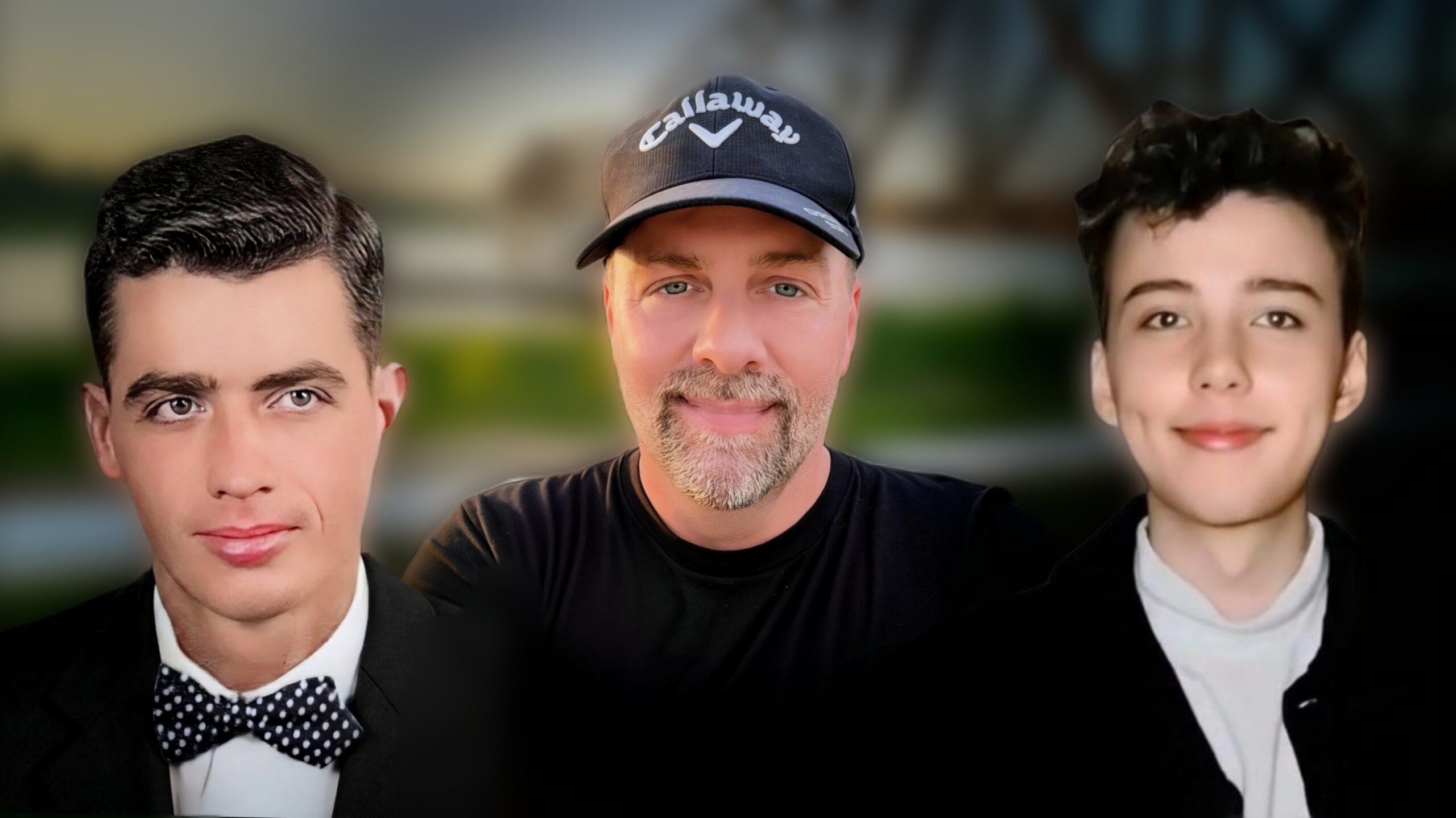
On a Sunday afternoon in June 1987, my father, Felton Williams, walked into our backyard with his shotgun and took his own life. When he made the decision to pull that trigger, he created a devastating ripple effect that he could not possibly have perceived in his final moments of despair. I have spent a vast portion of my life reflecting on how that single action fractured the foundation of our family. He didn’t consider how heavily his absence would weigh on me at my high school and college graduations. He didn’t consider that my sister would be forced to walk down the aisle alone at her wedding, or that he would never meet his grandchildren, leaving them with only photographs and fragments of a legacy. My mother was left to carry an unbearable burden, never ceasing to blame herself, and I was forced to be a witness to her enduring anguish.
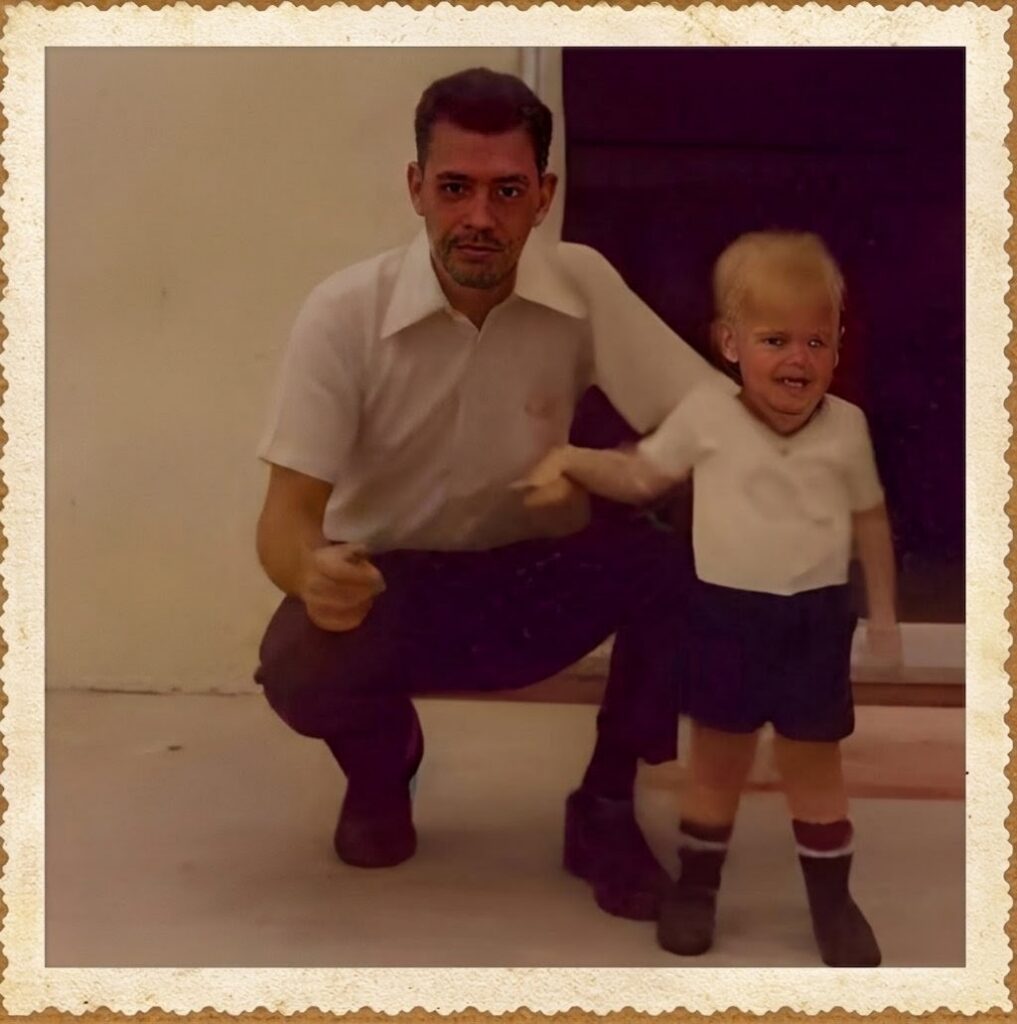
As a child, I absorbed that trauma directly, blaming myself for my father’s death and agonizing over whether I was somehow the reason he chose to leave us. As I grew into a teenager, that guilt mutated into profound shame regarding the manner of his death. When people inevitably asked where my dad was, I would lie. I told them he had died from cancer when I was fourteen. In a way, it felt partially true; in my mind, untreated mental illness is a cancer of the spirit, and by the time of his death, he was undoubtedly in “Stage 4.” Lying was simply easier than confronting the suffocating discomfort of the truth. By hiding the reality of his suicide, I believed I was removing a dark stain from his memory, scrubbing away an ugly ending that threatened to diminish what was otherwise an admirable life. I didn’t want him to be defined by his final, desperate act. Perhaps, deep down, I was equally terrified of being defined by it myself.
My father never shared his anxieties or his sadness with me, nor, as far as I could tell, with anyone else in his life. He acted strange on the day he died, but I never anticipated he was capable of killing himself. He chose to suffer in absolute silence, as so many struggling individuals do. Only now, after years of dedicated training and my professional work in trauma-informed care, do I fully realize that a person’s silence does not mean they are doing well. It certainly does not mean they are coping. None of us are exempt from the devastating pressures and emotional currents that can drive suicidal tendencies.
Tragically, my father’s silence was not the last our family would endure. Years later that initial ripple effect eventually swelled into a devastating tide that claimed the life of my brother, Roger, who we also lost to suicide. Losing Roger to the exact same darkness that took our father shattered me in ways I am still finding words to adequately describe. It laid bare the brutal reality of generational trauma and the lethal consequences of unspoken pain. When Roger died, the grief threatened to swallow me whole. I found myself standing at a crossroads where the history of mental illness in my family could have easily broken me.
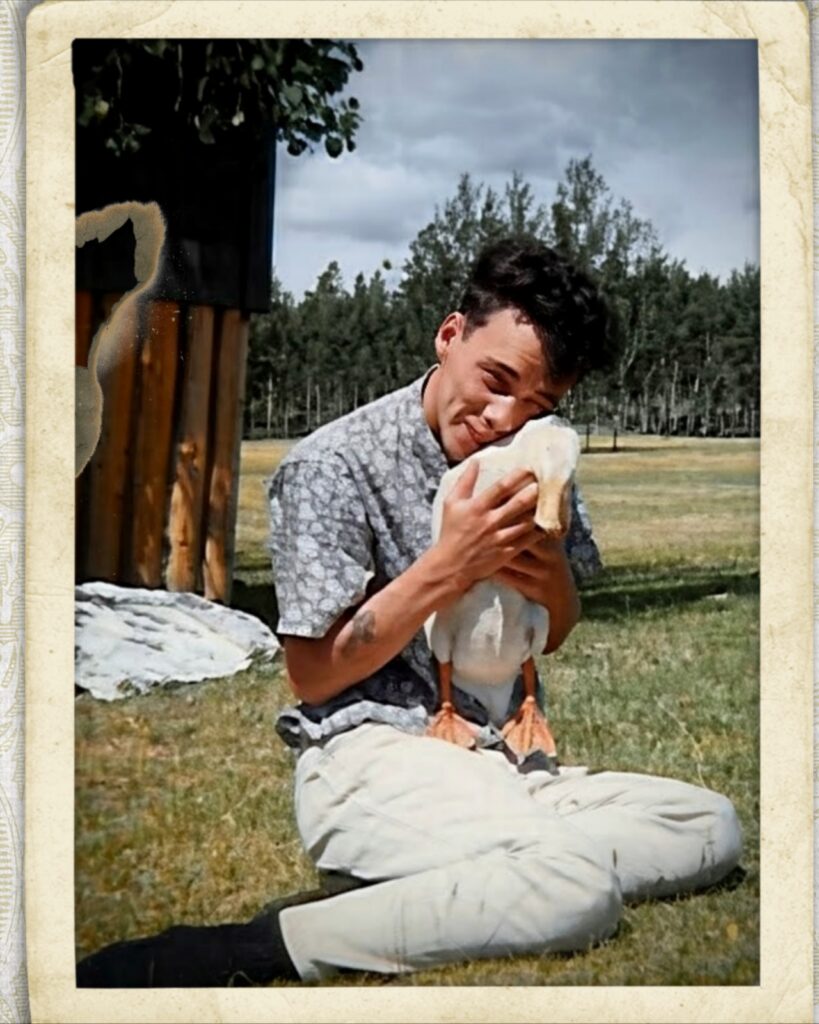
It was in the agonizing wake of losing them both that I made a definitive, conscious choice: I chose resilience. I refused to let the narrative of my family end in shame and silence. Instead, I channeled my heartbreak into a clear, unyielding mission. I committed myself to centering truth, resilience, and public education as vital tools for systemic change. Through my advocacy, I began highlighting the lived realities of marginalized people, utilizing research-driven analysis seamlessly blended with my own personal storytelling. I realized that my voice—and my willingness to speak the uncomfortable truth—was the most powerful weapon I had against the very stigma that had killed my father and my brother.
I will never know the exact thoughts that led them to those horrifying acts of torment and hopelessness. But I suspect that what ultimately killed them was the societal stigma that built an impenetrable wall between their suffering and the support they so desperately needed. Without that barrier, perhaps they would have sought help.
Today, we are finally making measurable progress in changing how society views mental illness. It is an issue discussed much more freely now than it was in the summer of 1987. It is a frequent topic on talk shows and in public forums. Pharmaceutical companies fill the airwaves promoting new remedies, and federal laws now rightfully compel insurance companies to cover treatments for psychiatric conditions with the same urgency as physical ailments.
Yet, despite this progress, we still have a remarkably long way to go before severe depression and other psychological crises are universally accepted as genuine illnesses, rather than being dismissed as defects of character or failures of self-discipline. The stigma remains, quietly thriving in the shadows where people are still too ashamed to speak their truth.
I know this reality intimately, because it has taken me 39 years to finally stand tall and say out loud that the men I loved and admired most in this world—my father and my brother—took their own lives.
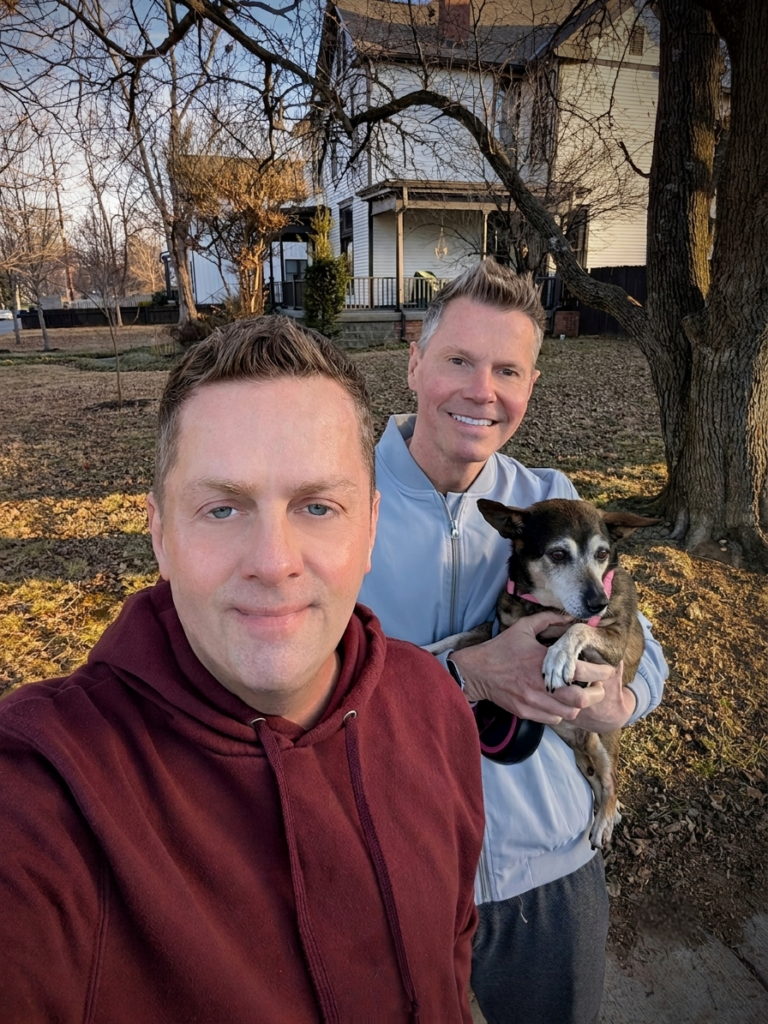
About Michael Eric Williams
Michael Eric Williams is an advocate based in Nashville, Tennessee. He specializes in law enforcement communications, and institutional reform. His work blends clinical expertise with strategic storytelling to advance public understanding of addiction, justice,.and LGBTQ+ experiences in prison. Michael enjoys mountain biking and spending time with his husband Todd Tukey and their elderly chihuahua Ms Alice.