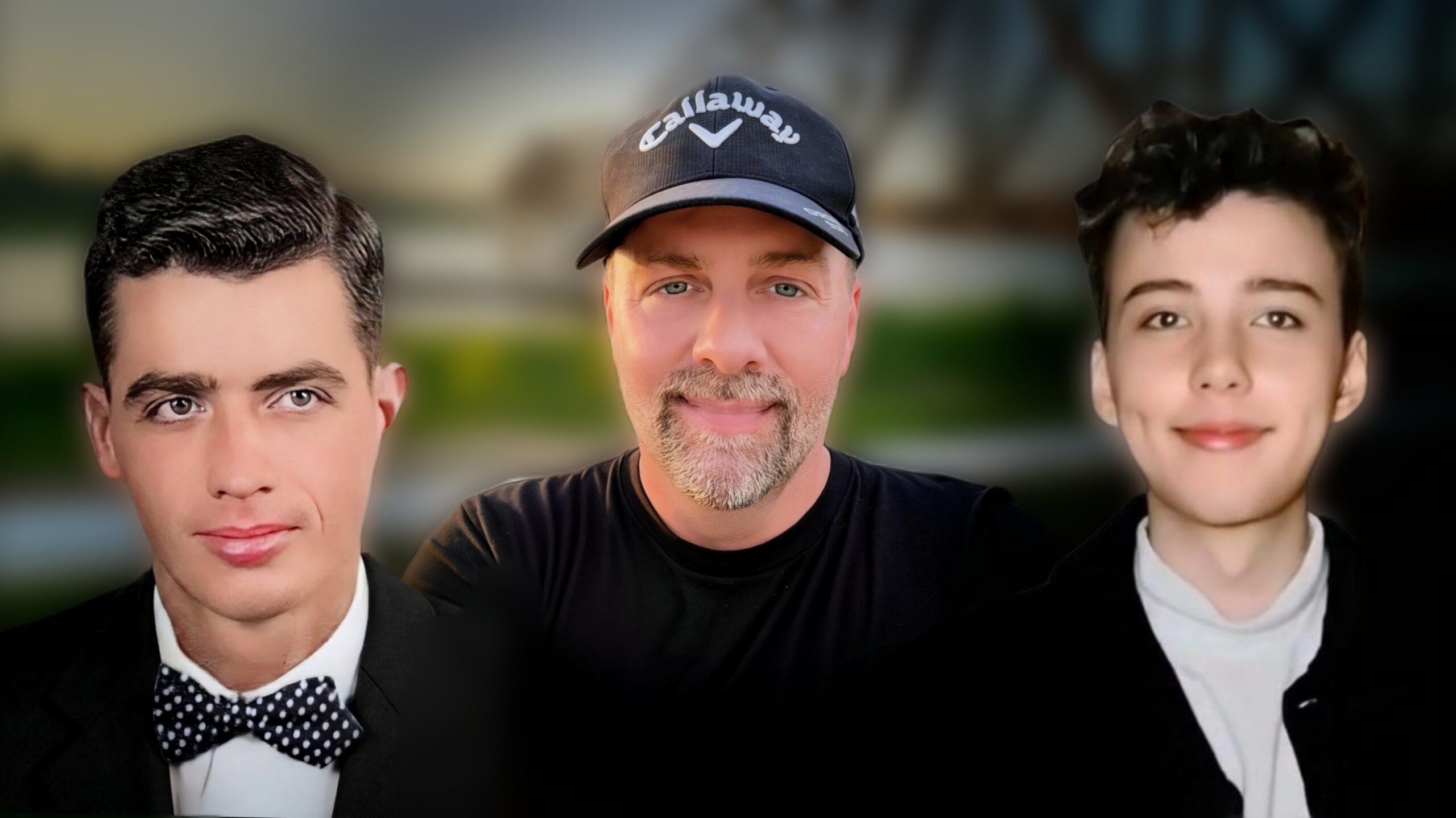
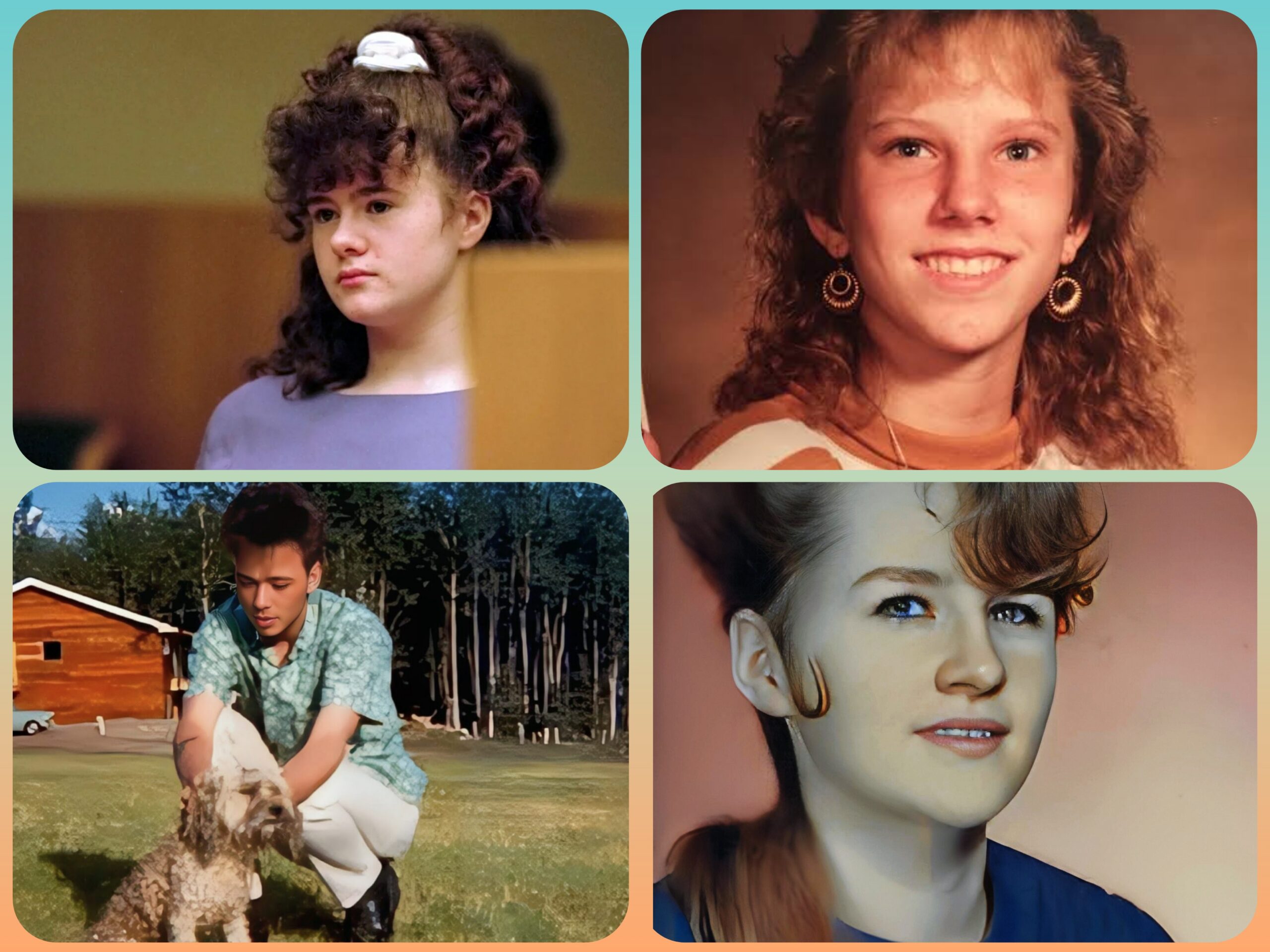
People often ask why I made a radical career shift so late in life. The answer is simple, but the story is not: My brother. For forty years, I lived in a house built on silence. I didn’t know my brother existed, let alone that on April 8, 1968, he committed an act of violence that would ripple through generations.

When I finally learned the truth—that Roger Allan Williams had murdered his girlfriend, Linda Ann Wood—it wasn’t just a discovery; it was an earthquake. I had been born into the shadow of a crime I didn’t commit, part of a family history that was carefully erased. But secrets have a way of surfacing, and when they do, they demand to be reckoned with.

The path to healing began when I connected with Linda’s sister, Elizabeth. We didn’t just share a tragedy; we shared a journey of mutual restoration. It was in that connection that I found my purpose.

“I watched my father and my brother succumb to the weight of their own darkness. I knew that my story would end differently”
I realized then that I couldn’t stay in the corporate world. I didn’t just want a new career; I needed a mission. I needed to make a difference for victims, for offenders, and for the families caught in the middle.

By facing the truth and connecting with those impacted by Roger’s actions, I found my calling. I traded marketing for counseling because I realized that healing isn’t just about moving on—it’s about reaching back into the dark and pulling others out.
Today, as a counselor and advocate, I choose to turn a legacy of shadows into a life of advocacy. My brother’s story ended in a cell, but mine is dedicated to ensuring that others find the help, the honesty, and the healing they need to survive.

The Tragic Legacy of My Brother Roger Sparked My Lifelong Mission
Discovering the profound complexities of my brother Roger’s fractured upbringing and his subsequent years of incarceration did not leave me with a legacy of despair, but rather ignited a deeply transformative purpose within my own life. The heartbreaking reality of his early trauma and the devastating consequences that followed illuminated the urgent need for institutional empathy, fundamentally shaping my new life’s mission.
Instead of turning away from the darkest chapters of our family’s story, I found that Roger’s struggles became a powerful catalyst for my advocacy. His journey drives my commitment to highlight the lived experiences of LGBTQ+ individuals and others hidden away within the justice system. Ultimately, Roger’s life and his passing turned a painful history into my pursuit of truth, resilience, and service to others. I want to ensure the compassion and understanding so tragically absent in his early years are now fiercely championed for others.
Further Reading and Podcast
Vancouver Sun
Award winning journalist Denise Ryan wrote an extensive human interest piece. Love, murder and a mystery: Unlikely friendship springs from 1968 Vancouver killing
CBC Podcast – Secrets Lies and Suicides
This episode of the CBC series Secrets, Lies and Suicides explores the 1968 murder of Linda Ann Wood. Decades later, the story takes an unexpected turn when an archive of her killer’s poetry, short stories, and artwork is discovered at Matsqui Prison. This “treasure trove” of creative work from a killer ultimately helped another man find a path toward healing and formed the basis of an unlikely connection between the past and the present.
About Michael Eric Williams
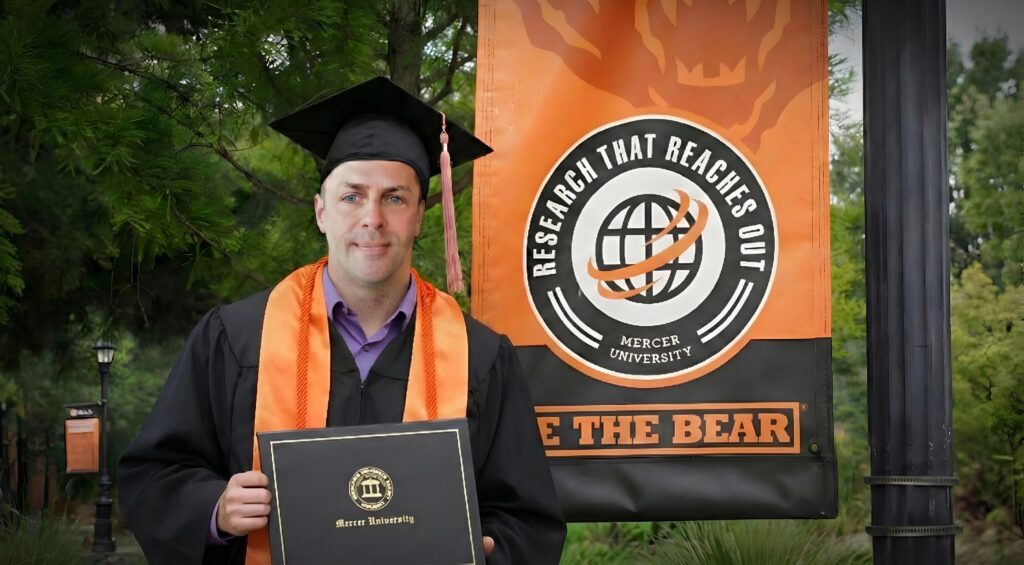
Michael Eric Williams is an advocate based in Nashville, Tennessee. He specializes in law enforcement communications, and institutional reform. His work blends clinical expertise with strategic storytelling to advance public understanding of addiction, justice,.and LGBTQ+ experiences in prison. Michael enjoys mountain biking and spending time with his husband Todd Tukey and their elderly chihuahua Ms Alice.