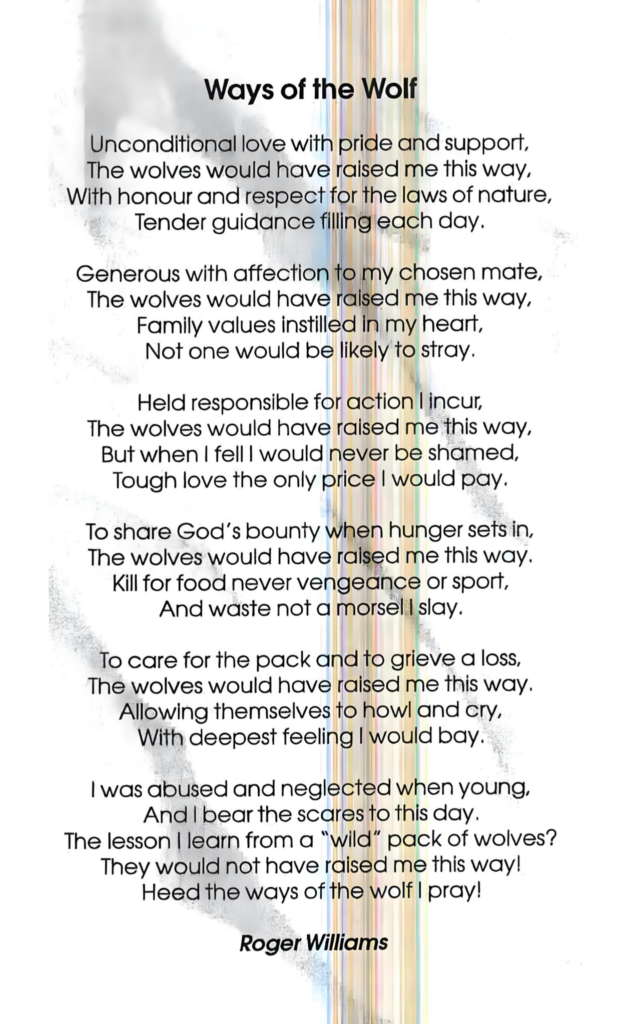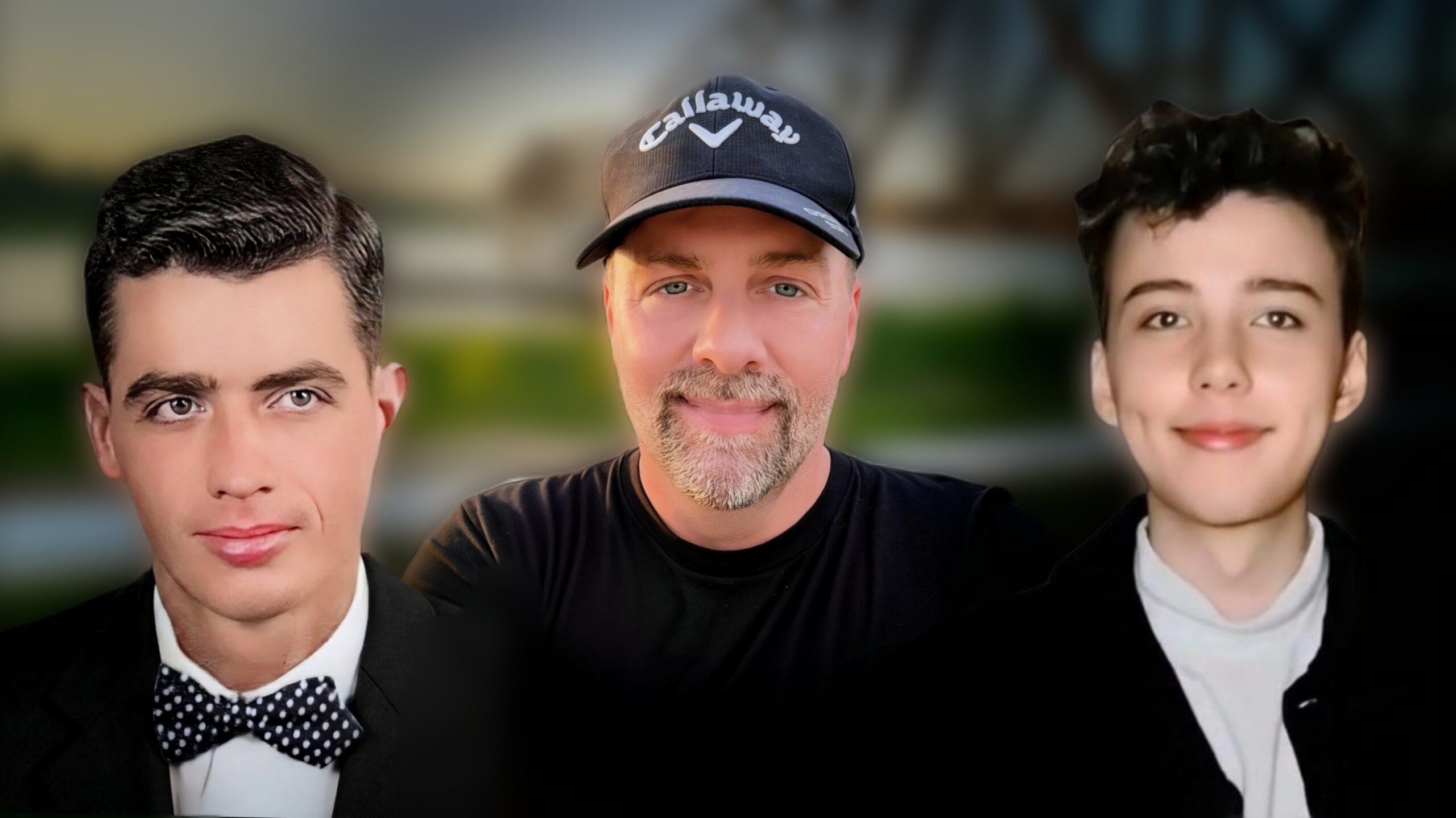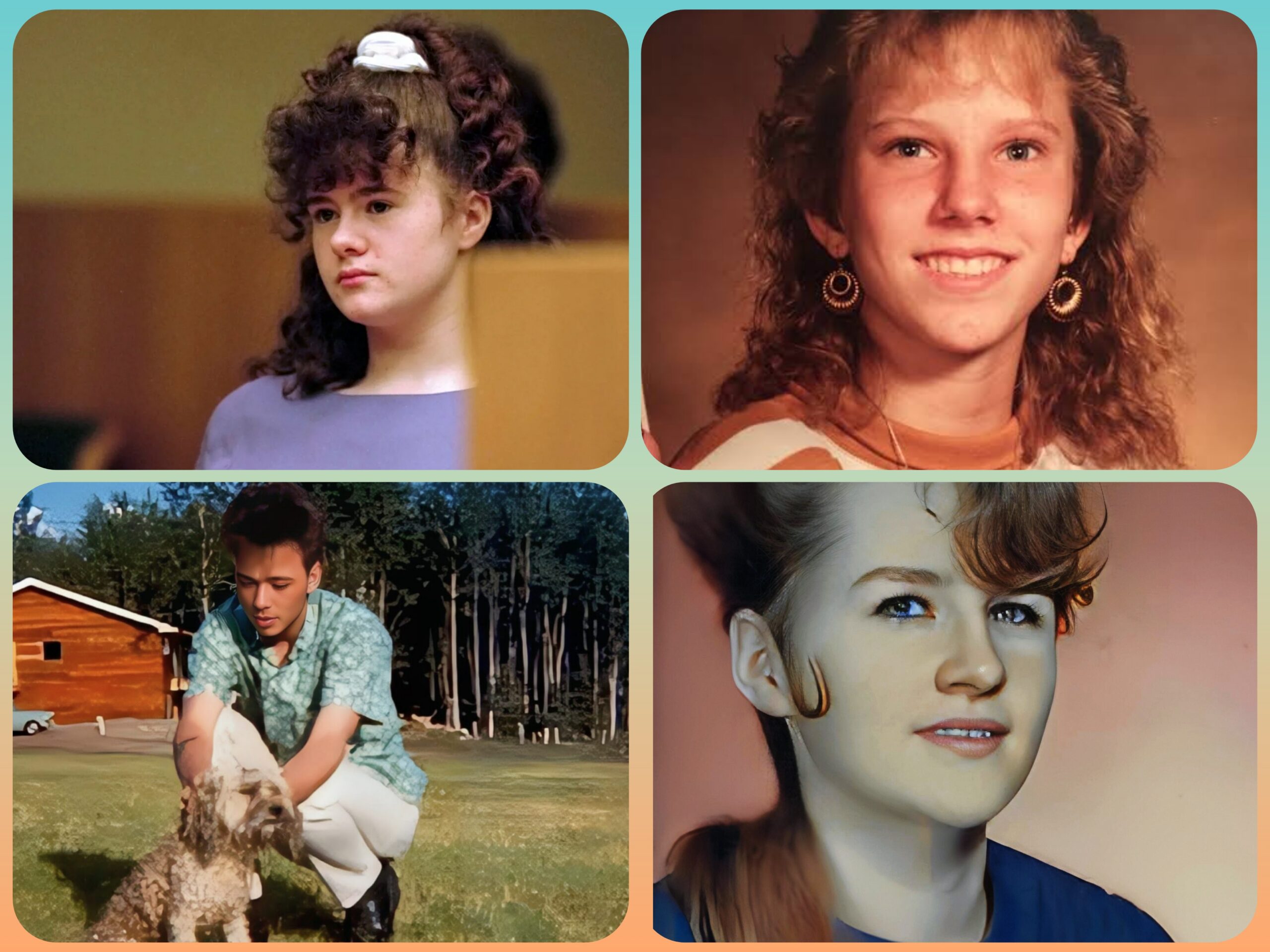
As I think about Christa Gail Pike waiting in a Tennessee prison cell for her execution date, I cannot help thinking about my brother, Roger Allan Williams.
For most people, stories like these exist at a distance. They are court files, newspaper headlines, true-crime documentaries, and debates about justice. For me, they are personal.
In April 1968, my brother murdered his teenage girlfriend, on the back steps of her family’s home in Vancouver. The horror of what he did can never be undone. Linda was a real person—a daughter, a friend, a young woman with an entire future ahead of her. Her family carried that pain for the rest of their lives. The loss belongs to them forever.
But Roger’s story did not begin on the night Linda died.
Long before there was a murder, there was a little boy who felt unwanted. There was abandonment. There was abuse. There was loneliness. There was a child trying to find a place in a world where he never believed he belonged. According to those who knew him, Roger carried those wounds throughout his life. He reportedly spoke of being abused as a child and struggled with feelings of rejection and isolation that followed him into adulthood.
That does not excuse what he did.
It does, however, force me to ask the same question I ask when I look at Christa Pike’s case: where were the people who could have helped before everything fell apart?
Where were the systems that might have recognized a traumatized child before he became a violent young man?
Where were the adults who might have intervened?
Where was the community when the warning signs first appeared?
These questions haunt me because they cannot change what happened to Linda, just as they cannot change what happened to Colleen Slemmer.
What strikes me about both Roger and Christa is that society seems far more comfortable responding to brokenness than preventing it. We spend enormous resources investigating crimes, conducting trials, building prisons, and carrying out punishments. Yet we are often unwilling to invest the same energy in identifying suffering before it becomes a tragedy.
When I read about Christa Pike’s childhood—about abuse, neglect, and repeated failures by the adults around her—I hear an echo of the same questions that surround my brother’s life. Not because their crimes were identical. Not because their circumstances were identical. But because both stories reveal how often violence is preceded by years of ignored pain.
The older I get, the less interested I become in simple narratives about monsters and villains. Roger was my brother. Christa Pike is someone’s daughter. They were also perpetrators of terrible acts. Both things can be true at the same time.
That is what makes these conversations so difficult.
When Tennessee prepares to execute Christa Pike, it is not just deciding what should happen to a woman who committed a horrific crime at eighteen. It is also deciding what value we place on the entirety of a human life—the abused child, the damaged teenager, the aging prisoner, and the person she became over three decades behind bars.
My brother spent the rest of his life carrying the consequences of his actions. Christa Pike may soon lose hers.
In both cases, I am left with the same question:
How many lives might have turned out differently if someone had intervened before the bloodshed instead of afterward?
And perhaps an even harder one:
When society fails a child, does justice require that we ignore that failure—or acknowledge it before deciding who deserves mercy and who does not?