For LGBTQ+ inmates a minor charge can turn into a life sentence of trauma
The Silent Epidemic Behind Bars
When a judge hands down a sentence for a non-violent offense like check fraud, the intended punishment is a loss of liberty, not a loss of humanity. Yet, for LGBTQ+ individuals entering the American carceral system, the penalty often includes non mandated physical and psychological torture. The statistics are stark.
According to data from the Bureau of Justice Statistics (BJS), inmates who identify as gay, lesbian, or bisexual are significantly more likely to report sexual victimization than their heterosexual counterparts. In some surveys, non-heterosexual inmates reported sexual assault at rates over ten times higher than the general population. This disparity reveals a grim truth: in the hyper-masculine, predatory environment of confinement, sexual orientation becomes a target. The story you are about to read is graphic and disturbing. It describes the total collapse of safety and the failure of a system designed to “correct.” But it is necessary reading. Rodney’s account of his time in prison is not just a memoir of survival; it is a testament to a widespread human rights crisis that continues to unfold in silence every day.
A Sentence of Survival: The Hidden Cost of Incarceration
By Rodney — Atlanta, Georgia
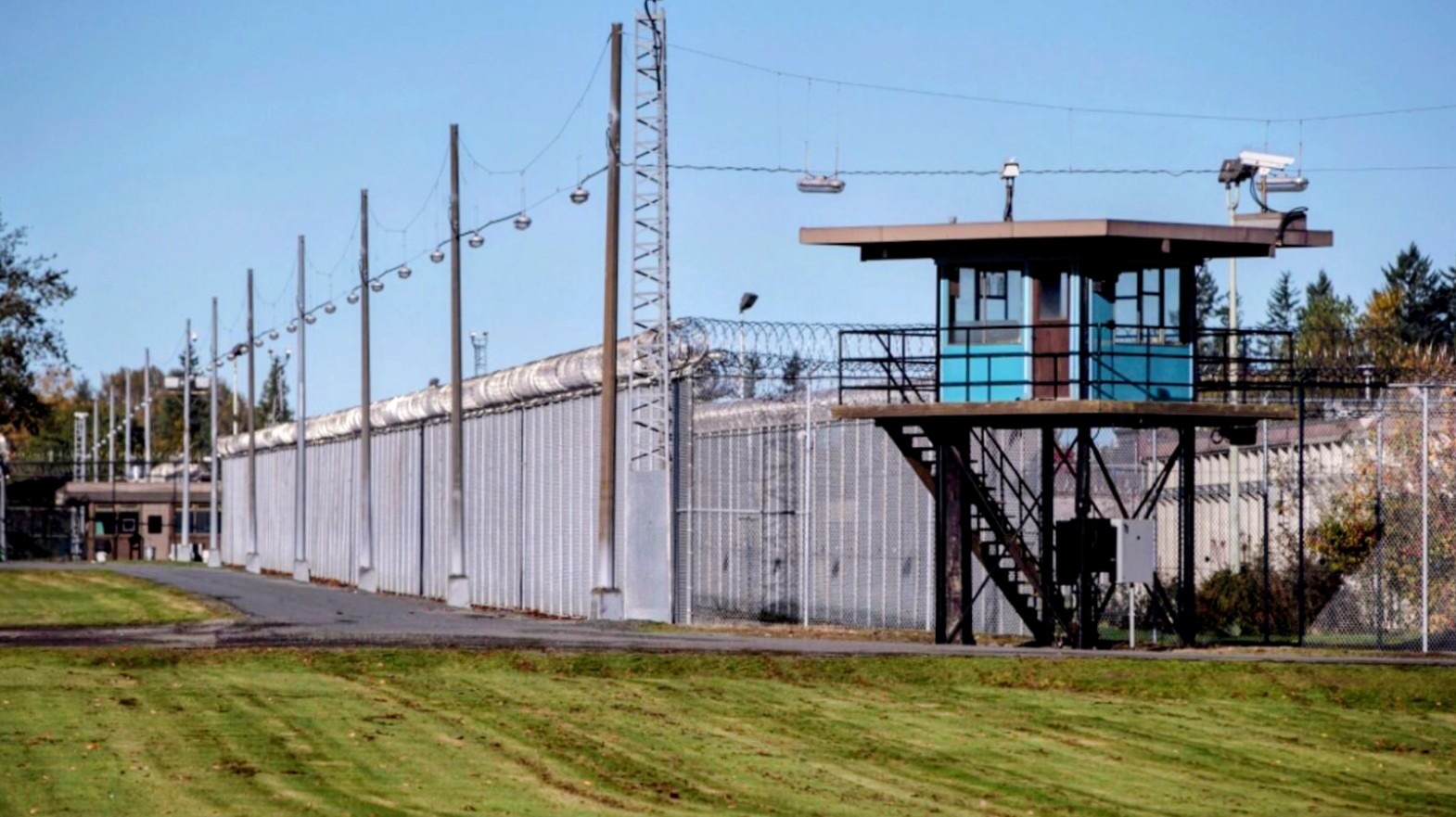
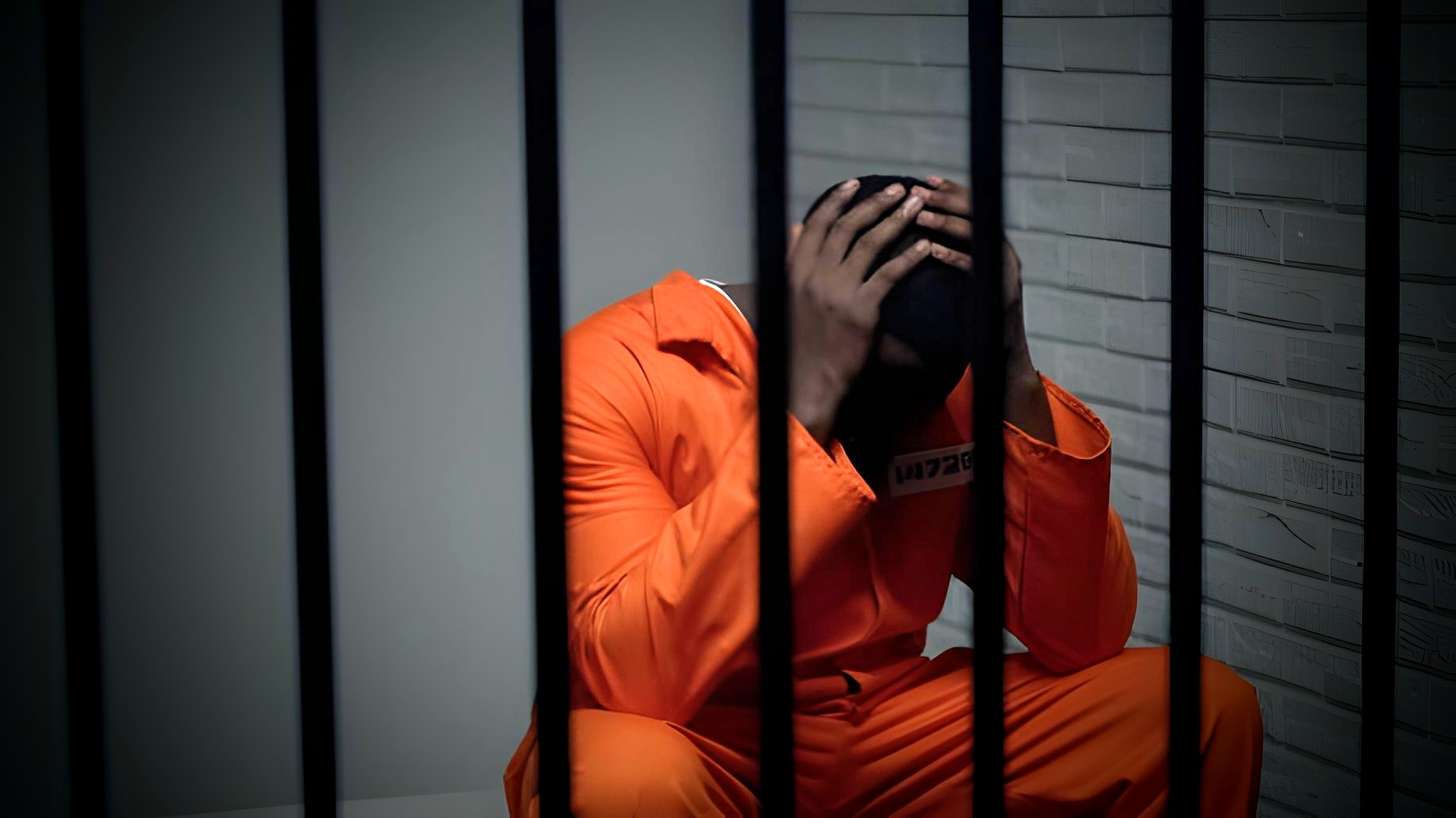
I was booked into Georgia State Prison at Reidsville in November 2014 on a charge of felony check fraud. I entered as a confident man raised by strong male role models. I left broken, struggling to remember who I was. Like many, I had heard rumors of sexual violence in prison. But the reality was worse than any story. My nightmare began in the holding cell. Surrounded by fifty men, I was identified as gay almost immediately. I was cornered, threatened, and sexually coerced by four men in a single night while others watched. Paralyzed by fear, I couldn’t fight back. When I was moved to a dormitory tier, the abuse became systematic. A physically imposing inmate assaulted me in the shower, threatening to break my neck. Shortly after, I was sold to another inmate for $20 in commissary items. For the remainder of my time, I was enslaved. I was used to pay off gambling debts and forced to alter my physical appearance to look like a woman—forced to shave, arch my eyebrows, and wear a painful garment to hide my anatomy. I was stripped of my gender, my name, and my humanity. The psychological toll was total. I dissociated, referring to myself as “she” to survive the cognitive dissonance. Years later, I still face nightmares, insomnia, and suicidal ideation. There is a pervasive, offensive myth that gay men enjoy the all-male environment of prison. The truth is that for us, the system is not just confinement; it is a hunting ground. I went in for check fraud. I came out a survivor of torture.
Related Articles
• Ashley Diamond,transgender inmate suing for safe housing, allegedly raped again
• Incarcerated Trans Woman Sues Georgia Prisons Over Repeated Rapes
• Georgia DOC must continue gender-affirming care for transgender inmates, federal judge rules
• Tennessee jail, other facilities grapple with housing inmates by gender identity
About Michael Eric Williams
Michael Eric Williams is a Nashville‑based advocate focused on law enforcement communications, institutional reform, and LGBTQ+ inmate protections. He works on policy development, accountability frameworks, and evidence‑based reform strategies that strengthen transparency, safety, and oversight across correctional systems in Tennessee. In his free time, Michael enjoys mountain biking and spending time with his husband Todd and their elderly chihuahua Ms Alice.