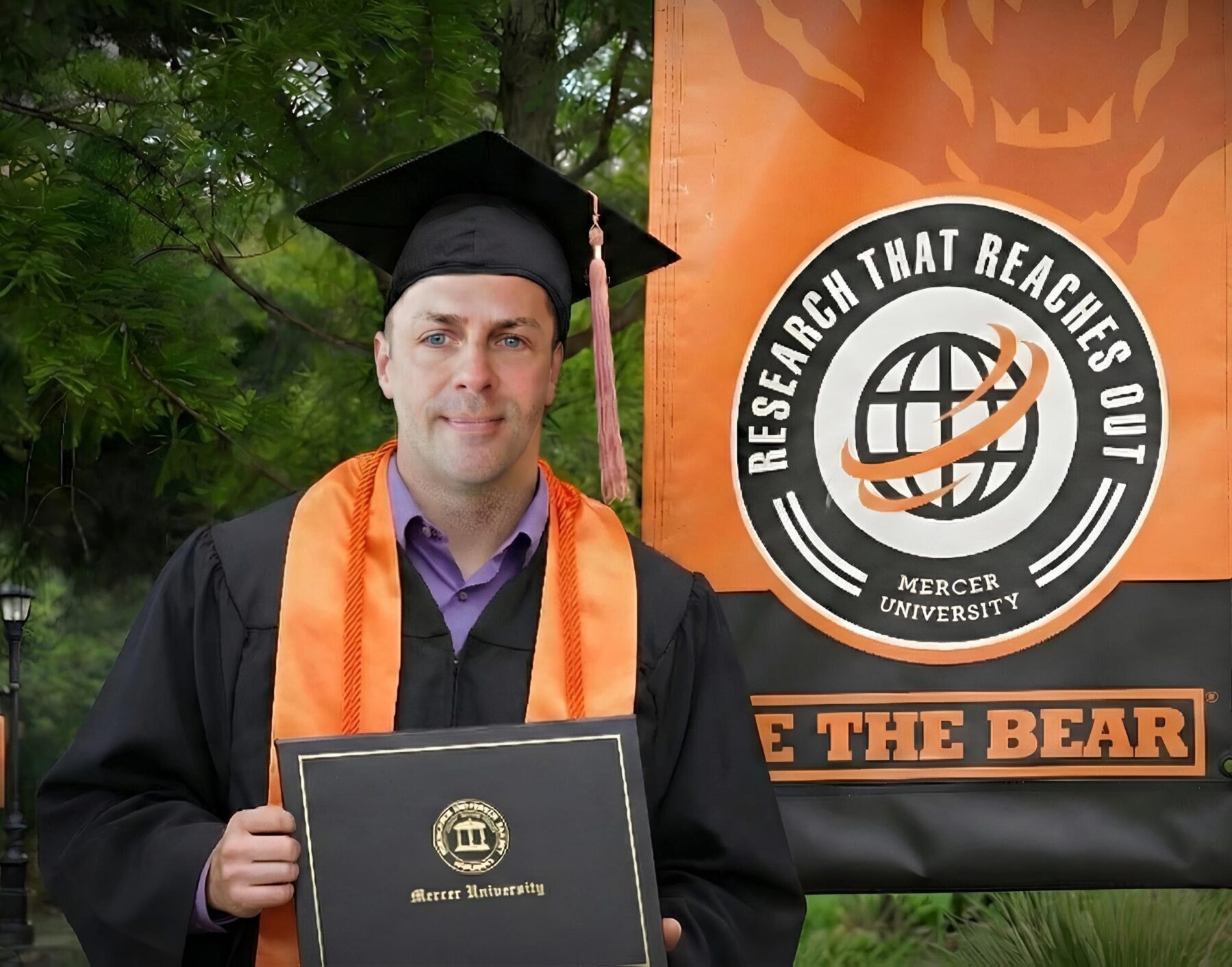

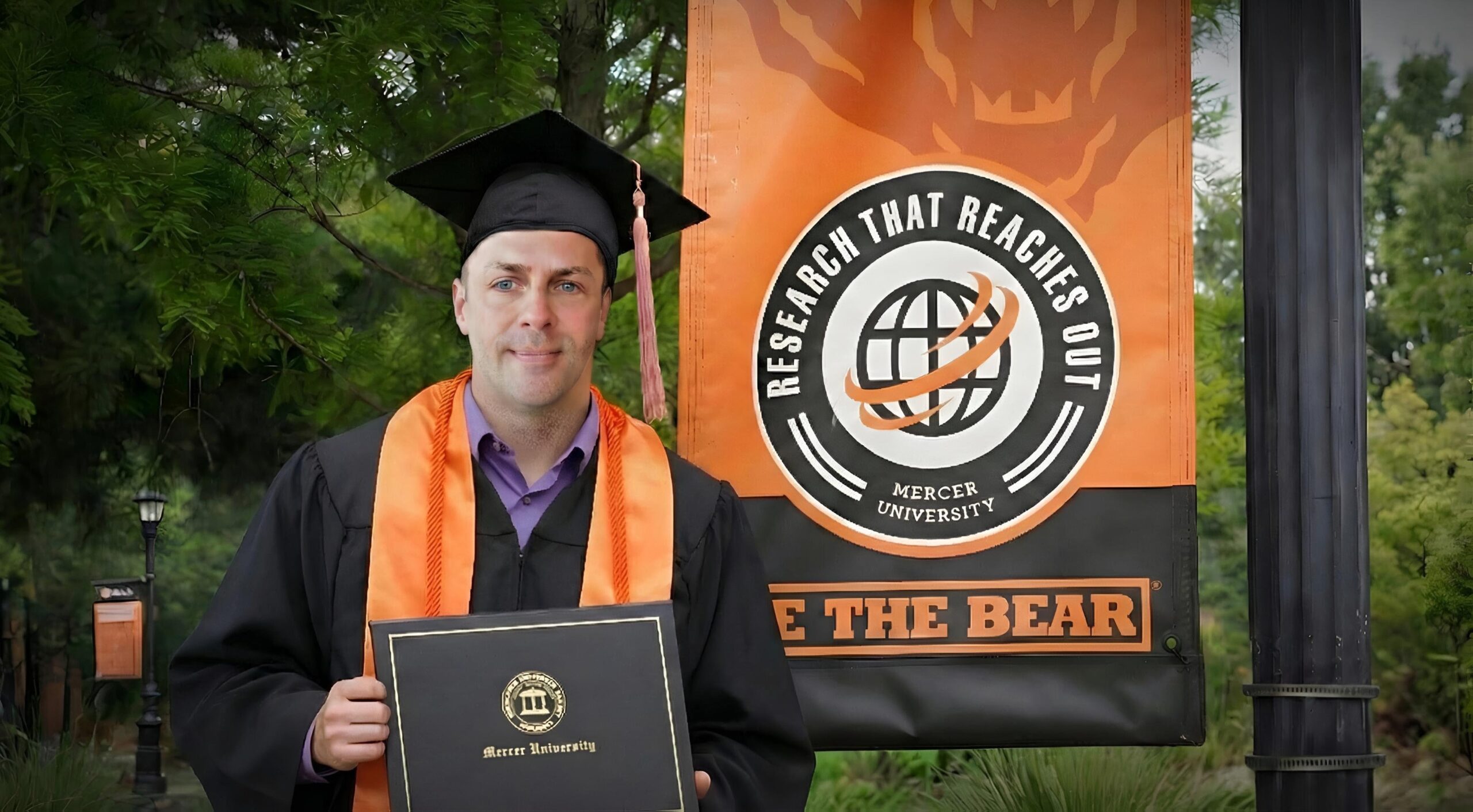
On April 8, 1968 my older brother, Roger Allan Williams, murdered his girlfriend, Linda Ann Wood, on the steps of her Vancouver home. Linda's murder had a profound impact on me, even though I was born after the crime and grew up without knowing Roger even existed until I was 40 years old. The discovery and subsequent reconciliation with this affected me profoundly. l grew up in the shadow of family secrets and never had the chance to meet Roger before he committed suicide in 2007. Learning the full story about Roger was essential to my own identity.

The Brother I Never Knew, The Secret That Changed My Life and Career

Michael Eric Williams is a Nashville-based substance abuse Counselor, LGBTQ+ advocate, and former marketing executive.

People often ask why I made a radical career shift so late in life. The answer is simple, but the story is not: My brother. For forty years, I lived in a house built on silence. I didn’t know my brother existed, let alone that on April 8, 1968, he committed an act of violence that would ripple through generations.
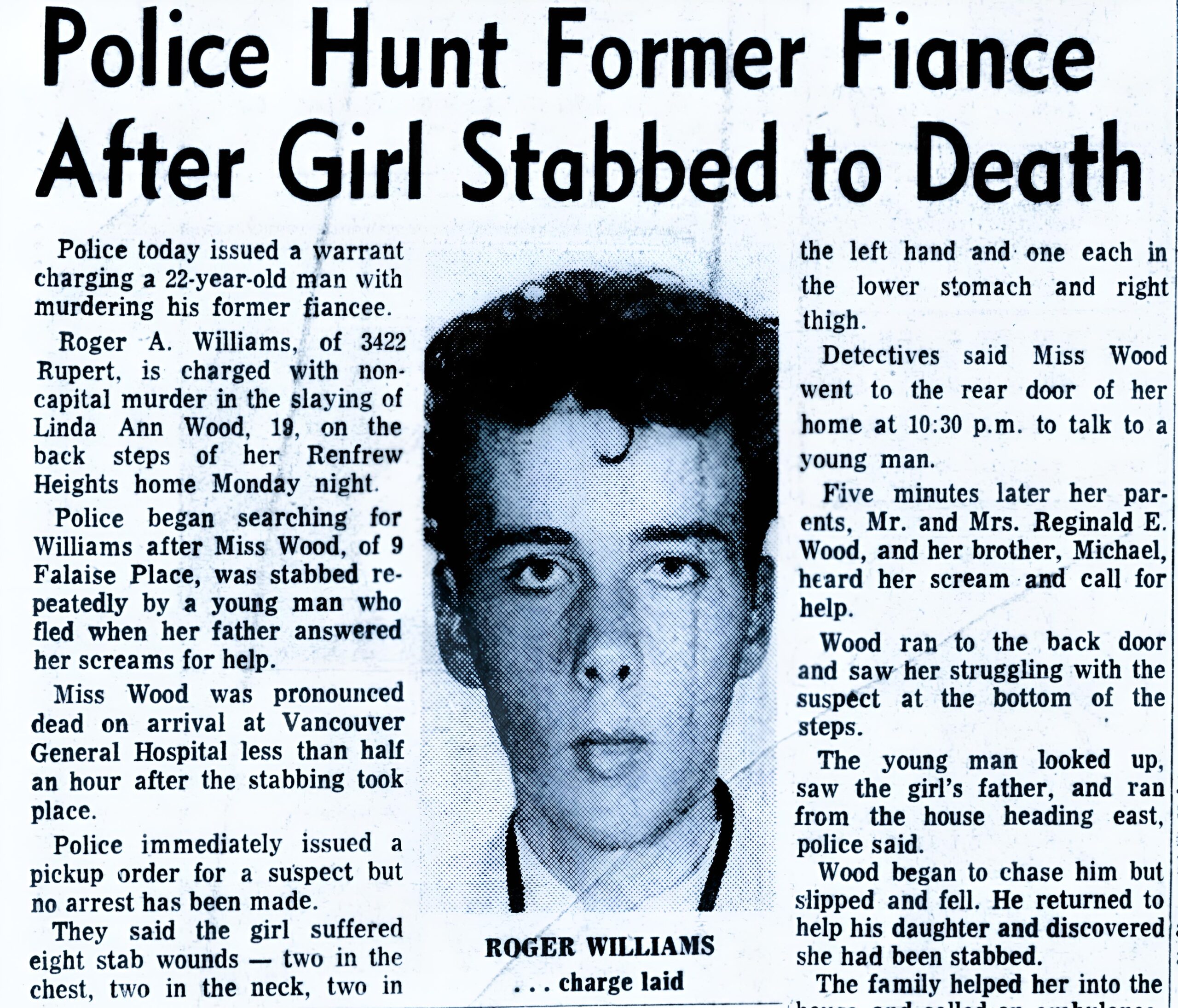
Roger Williams, 23, guilty of non-capital murder in the April 8 fatal stabbing of his 19 year old fiance who had just broken their engagement. Justice Munroe sentenced him to the mandatory term of life in prison. Williams, at the time sentence was handed down, appeared to be close to tears and turned to stare long and hard at a courtroom clock before being led away by police. Linda Ann Wood, 19, died of stab wounds which police say were inflicted by Williams as the couple stood at the rear steps of the Wood residence at 9 Falaise Place in the Renfrew Heights area. Williams was found in bushes a day later and taken to hospital for treatment for slashed wrists.
Police testified that Williams, in a statement to them, admitted killing the girl. He is alleged to have told officers that he loved the girl, and that he could not bear the thought of her being with anyone else. Williams was said to have stated that he stabbed the girl after he asked her: "Linda, is there no chance for us?" and got a no answer. Reginald Wood, father of the girl, told the court he saw the two close together at the steps, saw them separate and saw his daughter collapse bleeding as Williams fled. Psychiatrist Dr. R. P. Joneja told the court that three electronic tests on Williams' brain after the slaying indicated that Williams could be subject to intermittent abnormal mental activity. He added that this test alone, without the aid of additional medical evidence in connection with the person being tested, was not considered conclusive.
Williams did not give evidence. He was defended by Vancouver lawyer and Alderman Harry Rankin. E. A. Alexander and Ray Paris prosecuted. Mr. Justice Munroe told Williams after the verdict that while the sentence is for life, he may not necessarily spend the rest of his days in prison. The judge told him that the Canadian parole board will be reviewing his behavior and rehabilitation in prison from time to time and said that there is always a possibility that he may be released on parole after a certain period of time has been served. "It all depends on you," he told Williams. The jury had deliberated for an hour and 15 minutes.
Rankin, in his address to the jury, had asked jurymen to consider Williams' emotional state when the girl was stabbed. He had suggested a verdict of manslaughter.

When I finally learned the truth—that Roger Allan Williams had murdered his girlfriend, Linda Ann Wood—it wasn’t just a discovery; it was an earthquake. I had been born into the shadow of a crime I didn’t commit, part of a family history that was carefully erased. But secrets have a way of surfacing, and when they do, they demand to be reckoned with.
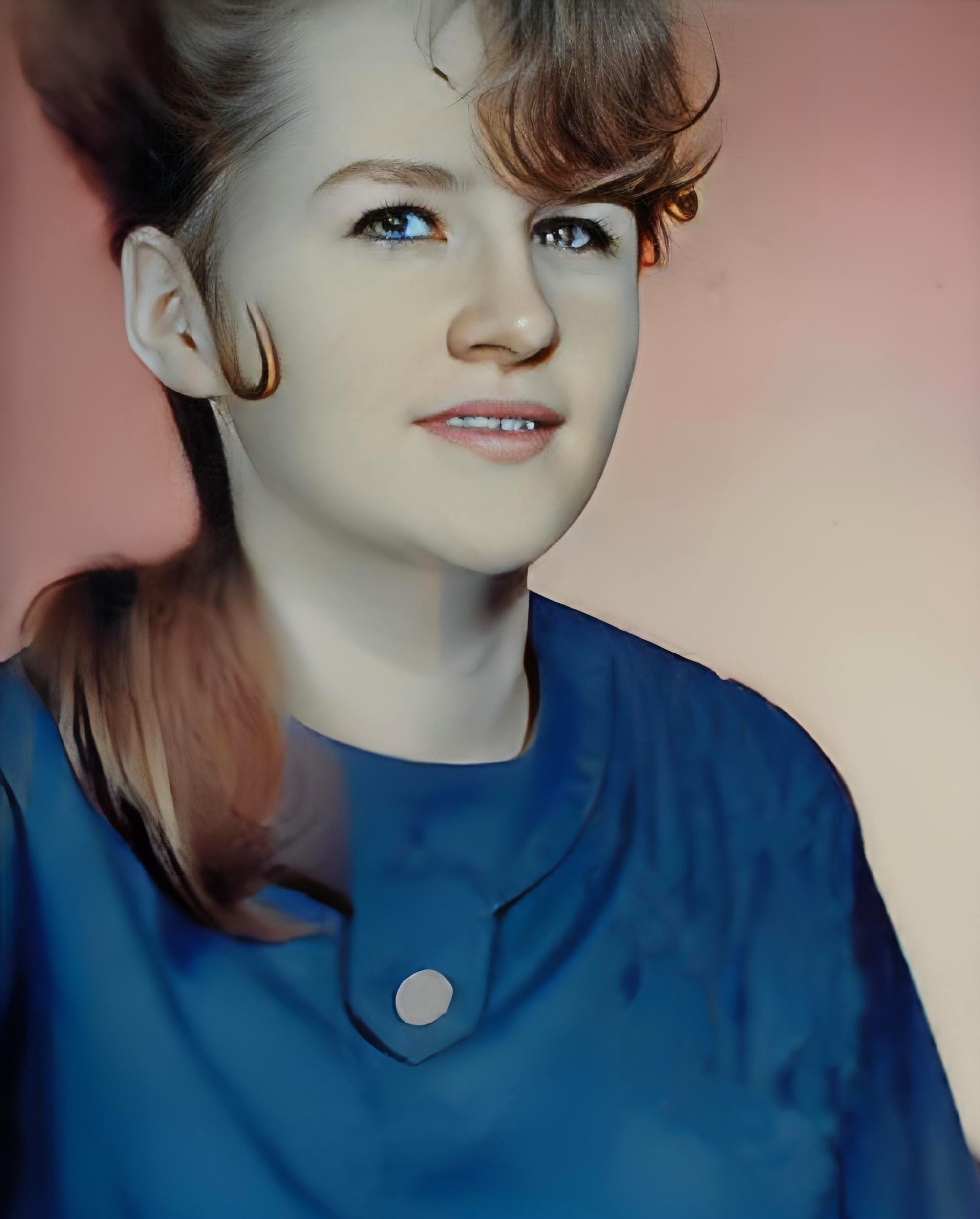
Linda Ann Wood Vancouver
1967 photo of Linda Ann Wood

The path to healing began when I connected with Linda’s sister, Elizabeth. We didn’t just share a tragedy; we shared a journey of mutual restoration. It was in that connection that I found my purpose.
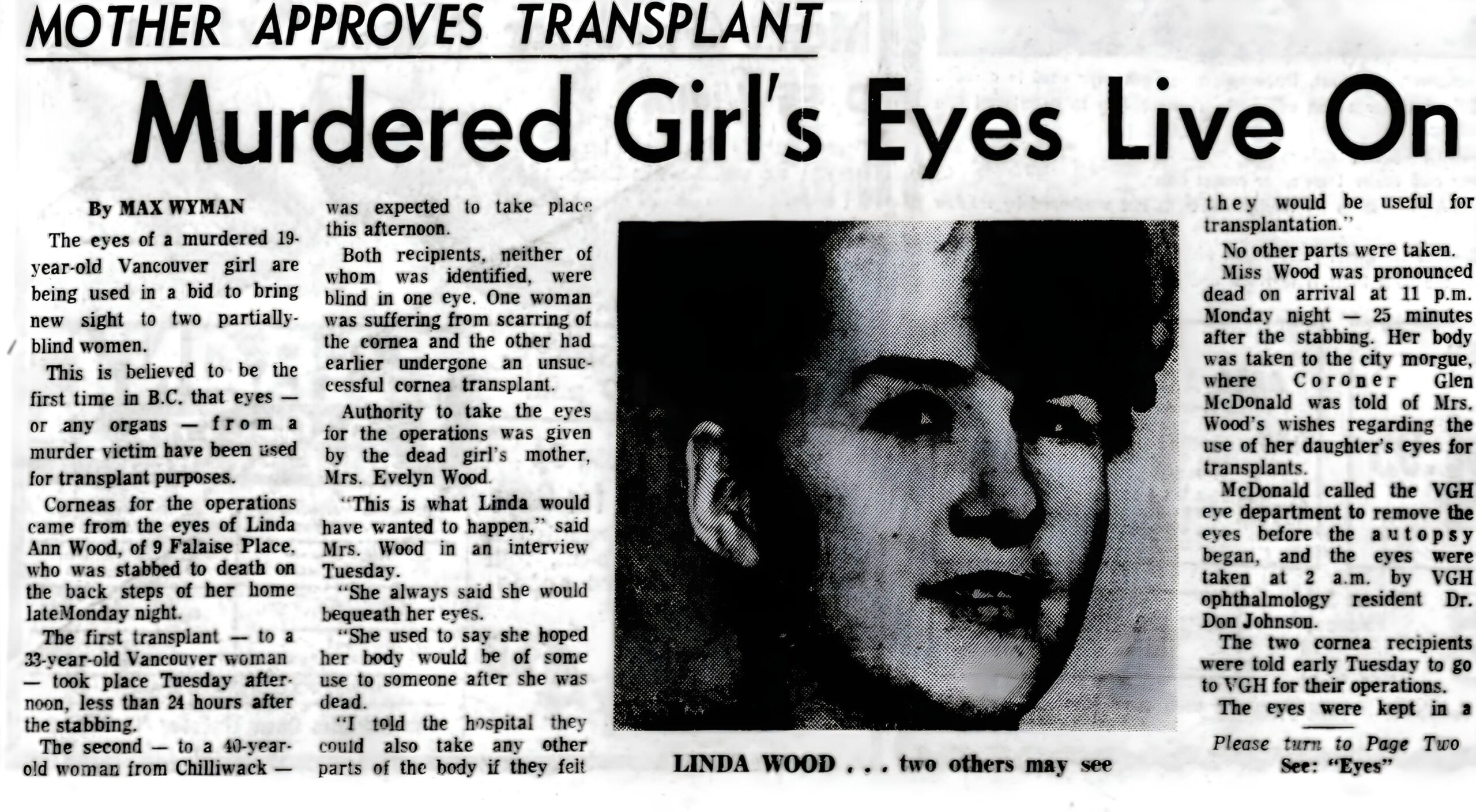
This is believed to be the first time in British Columbia that organs from a murder victim were used for transplant purposes.
The tragedy was first time in British Columbia that organs from a murder victim were used for transplant purposes.

I watched my father and my brother succumb to the weight of their own darkness. I knew that my story would end differently.

I realized then that I couldn’t stay in the corporate world. I didn’t just want a new career; I needed a mission. I needed to make a difference for victims, for offenders, and for the families caught in the middle.
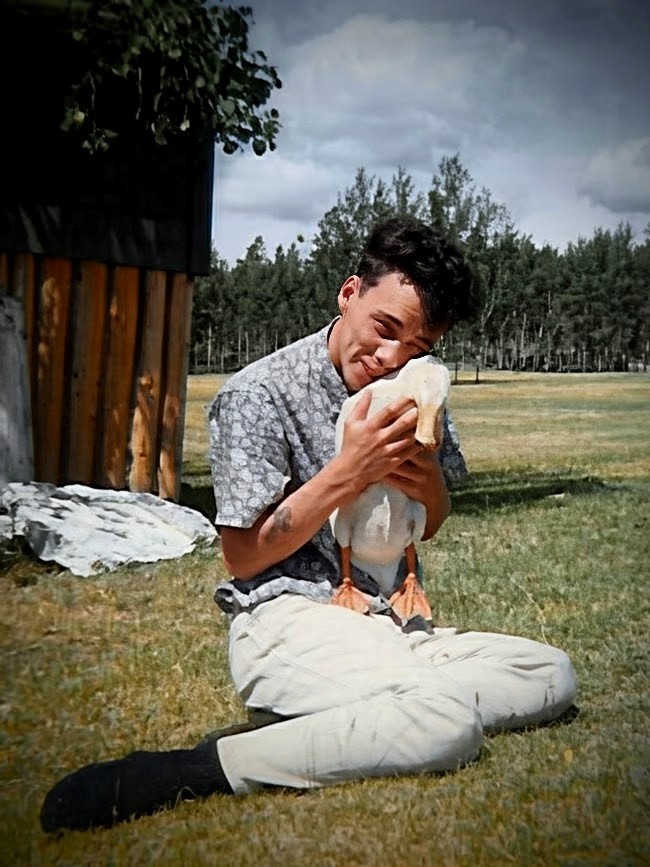
Roger Allan Williams Vancouver
1966 photo of my brother Roger Allan Williams in British Columbia Canada

By facing the truth and connecting with those impacted by Roger’s actions, I found my calling. I traded marketing for counseling because I realized that healing isn’t just about moving on—it’s about reaching back into the dark and pulling others out.

Today, as a counselor and advocate, I choose to turn a legacy of shadows into a life of advocacy. My brother’s story ended in a cell, but mine is dedicated to ensuring that others find the help, the honesty, and the healing they need to survive.
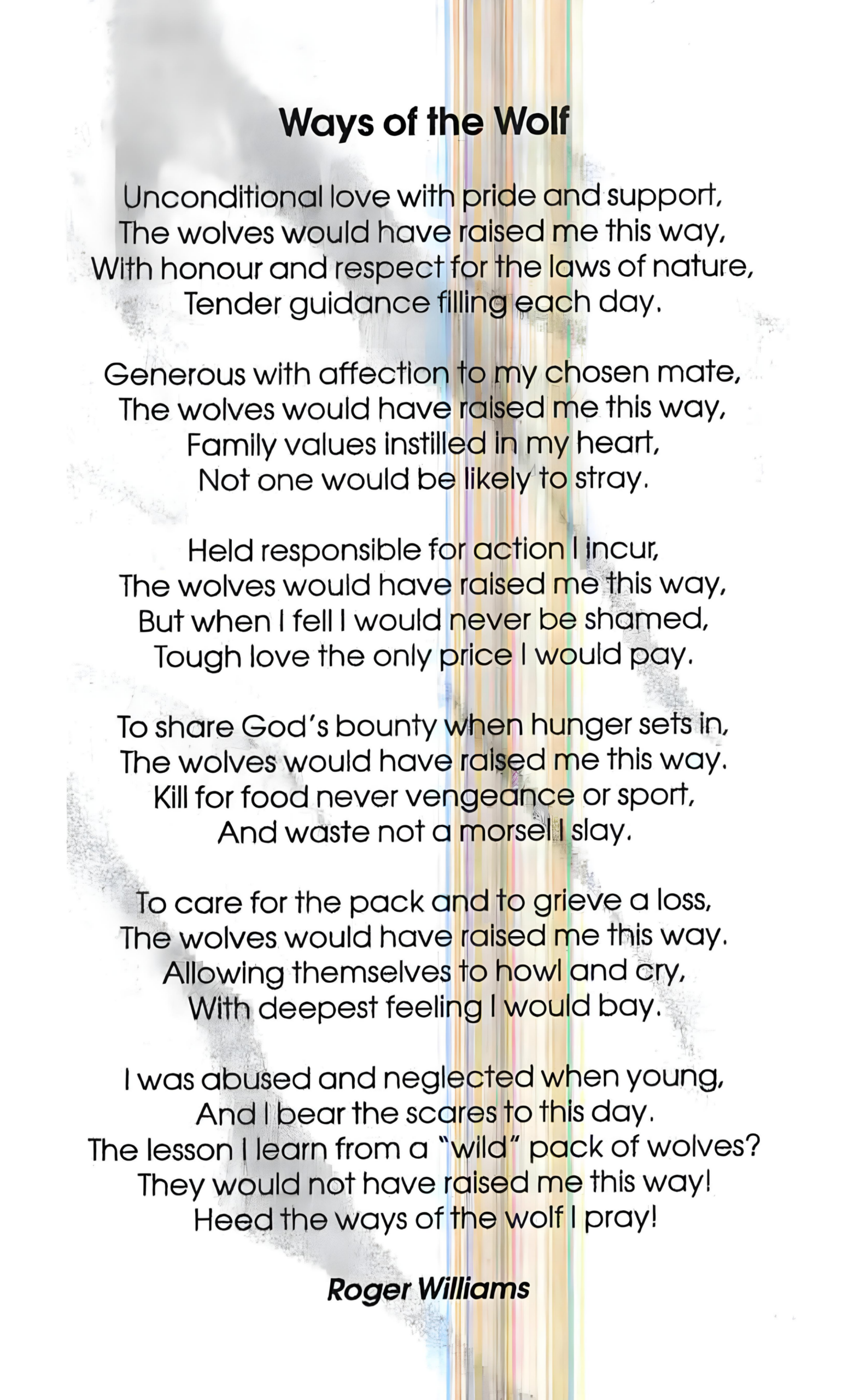
Ways of the Wolf
Unconditional love with pride and support,
The wolves would have raised me this way,
With honour and respect for the laws of nature,
Tender guidance filling each day.
Generous with affection to my chosen mate,
The wolves would have raised me this way,
“Ways of the Wolf” poem by Roger. The poetry and art Roger created while incarcerated is a glimpse into a life lived in the dark.

Further Reading and Podcast

Vancouver Sun

Award winning journalist Denise Ryan wrote an extensive human interest piece. Love, murder and a mystery: Unlikely friendship springs from 1968 Vancouver killing

CBC Podcast – Secrets Lies and Suicides

This episode of the CBC series Secrets, Lies and Suicides explores the 1968 murder of Linda Ann Wood. Decades later, the story takes an unexpected turn when an archive of her killer’s poetry, short stories, and artwork is discovered at Matsqui Prison. This “treasure trove” of creative work from a killer ultimately helped another man find a path toward healing and formed the basis of an unlikely connection between the past and the present.

About Michael Eric Williams

Community Advocate & Former Executive • Advancing Equitable Care for Justice-Involved Populations. Nashville Tennessee

Michael Eric Williams is an advocate based in Nashville, Tennessee. He specializes in trauma-informed care, law enforcement communications, and institutional reform. His work blends clinical expertise with strategic storytelling to advance public understanding of addiction, justice, and LGBTQ+ experiences in prison. He enjoys community outreach and spending time with his husband and their dog, Ms Alice.